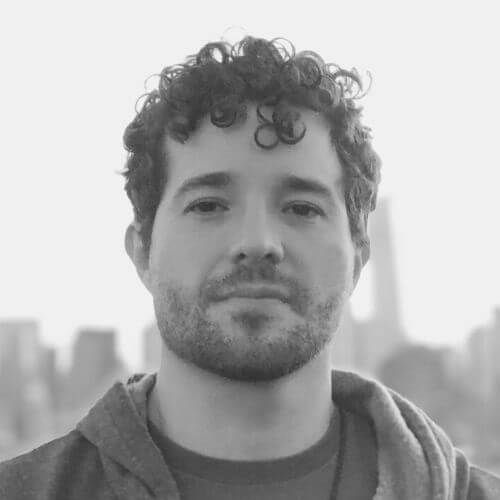
William Falcon

AI Researcher, Facebook / NYU

William is an AI researcher working on his PhD at NYU and Facebook AI Research. His research focuses on developing new methods for biologically inspired unsupervised learning methods. Before his PhD, he Co-founded AI startup NextGenVest (acquired by Commonbond), led iOS at Bonobos and built products at Goldman Sachs and other companies. He received his BA in Stats/CS/Math from Columbia University.

William Falcon

Sessions / 2019 / 1 talk

  • The promise of unsupervised and self-supervised learning is to usher in a new world where systems can draw greater levels of signal from data without labels. In this talk I’ll first cover the state-of-the-art approaches to unsupervised learning in NLP and computer vision which can be used in industry today. We’ll end the talk by exploring how the business landscape and the world of AI products look like once freed from the limitations of labels.

Sessions / 2018 / 1 talk

  • While the vast majority of talks at DataEngConf are unabashedly technical, we recognize there are many deeply technical attendees who are thinking about founding, or joining, a startup. In this session we'll feature a unique panel of technical founders who we've hand picked due to their technical ingenuity combined with their business success. Moderated by Pete Soderling, founder of DataEngConf, the session will dig into insights from our panelist's experiences as engineering leaders and product visionaries and uncover startup hacks they used in building data-oriented tools and bringing them to market. Listen and learn to discover how their views can help you develop your early stage product and go-to-market strategy and prepare you, as an engineer, for the types of challenges common to starting a company.

Sessions / 2017 / 1 talk

  • Learn how NextGenVest is using deep learning to scale human advice over SMS to help Gen Z reduce student loan burdens. Despite the average college graduate owing $37,000 in student loans, they leave $2.7 billion in free money unclaimed because they do not have access to guidance.  In this talk we’ll start with an overview of state-of-the-art chatbot models and explore their benefits and limitations. This first part will aim to bridge the gap between research state-of-the-art and business practicality. We’ll proceed with a technical overview of our neural-network based model, reward function and design choices from both a technical and business perspective. We’ll end by showing performance in the wild through our real-time SMS chats and our impact on the broader education system compared to ongoing DOE efforts. We’ll end with a brief discussion about using human-first bots and why AI-assisted human interactions should be human-first.

Ready to take this stage?

The next edition is programmed by practitioners. Tell us what you built and what you learned.

Apply to be a speaker