Apply to Speak

Speaker Applications Are Open for 2027

Share the system you actually shipped — what broke, what you rebuilt, and what you would do differently. Every track is led by practitioners, for practitioners.

Apply to speak
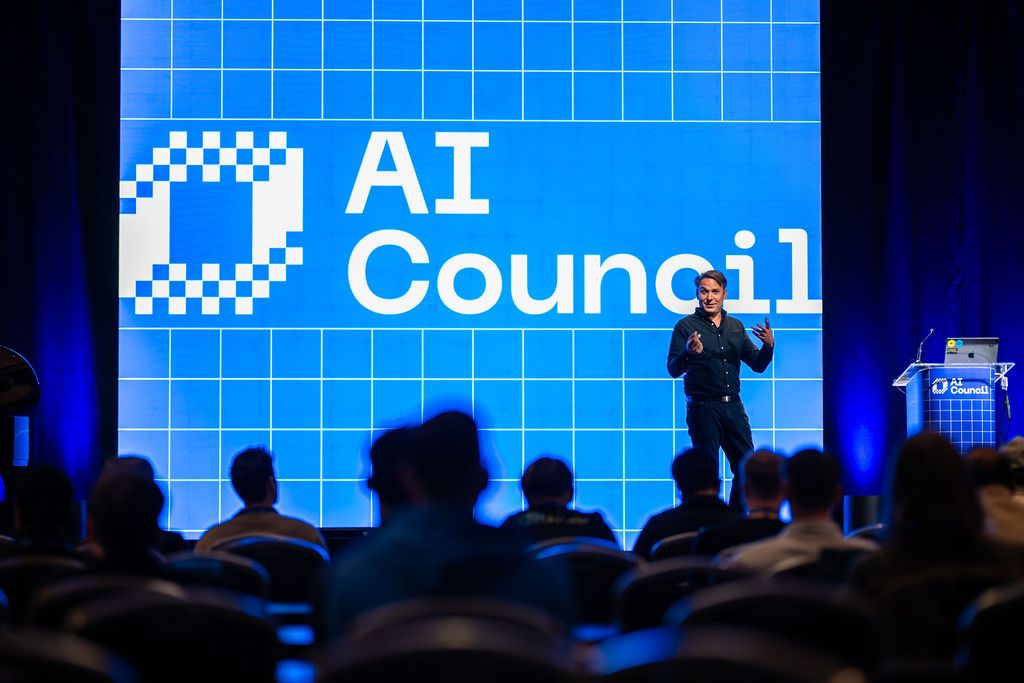
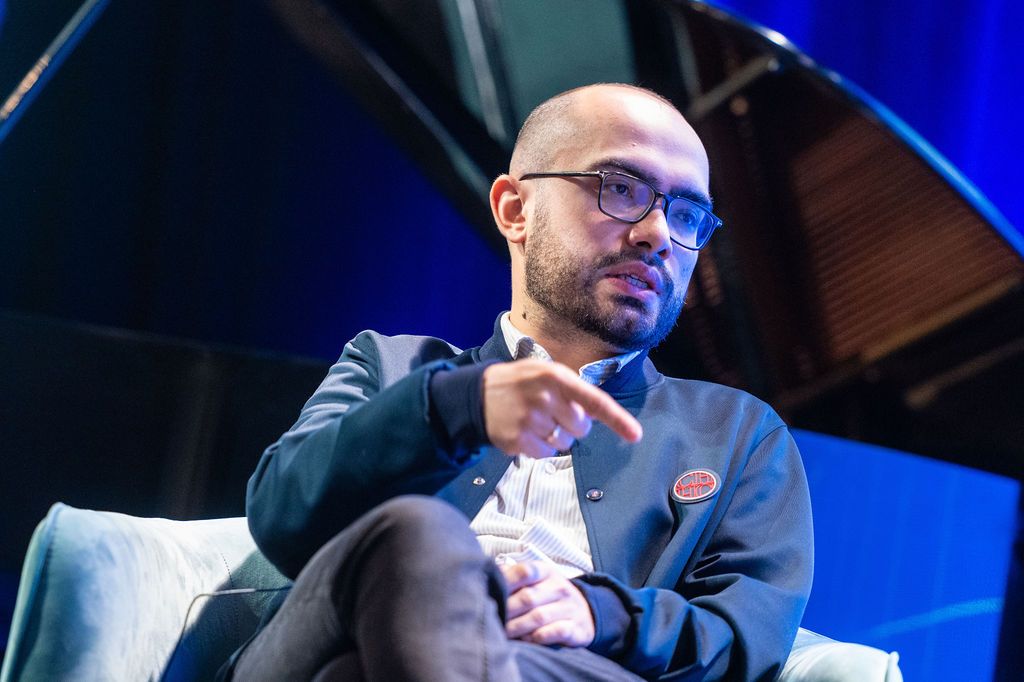
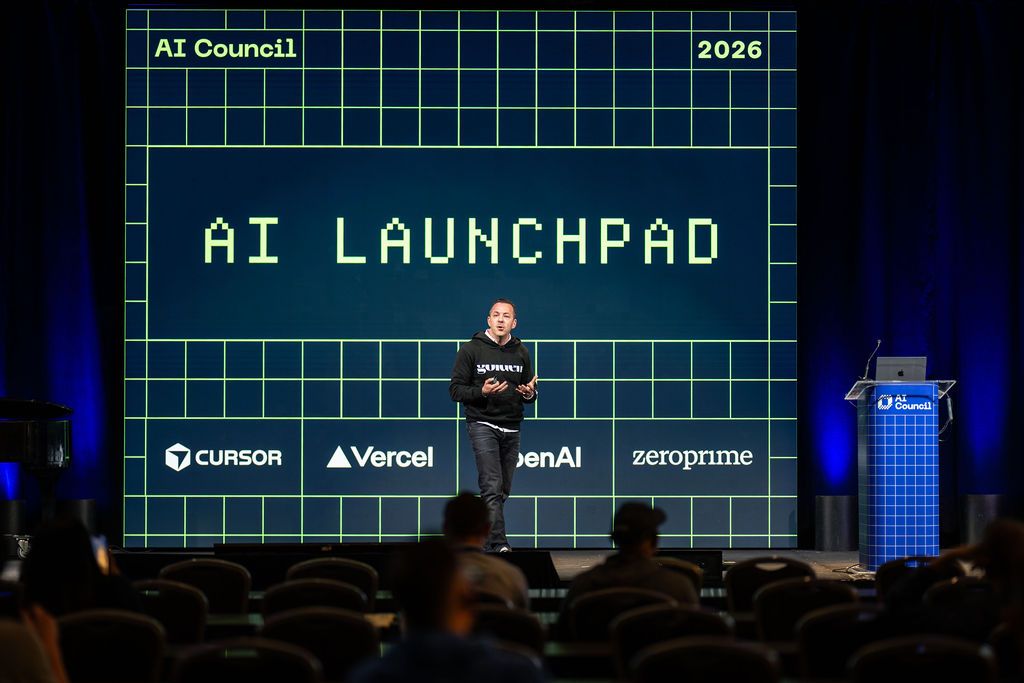
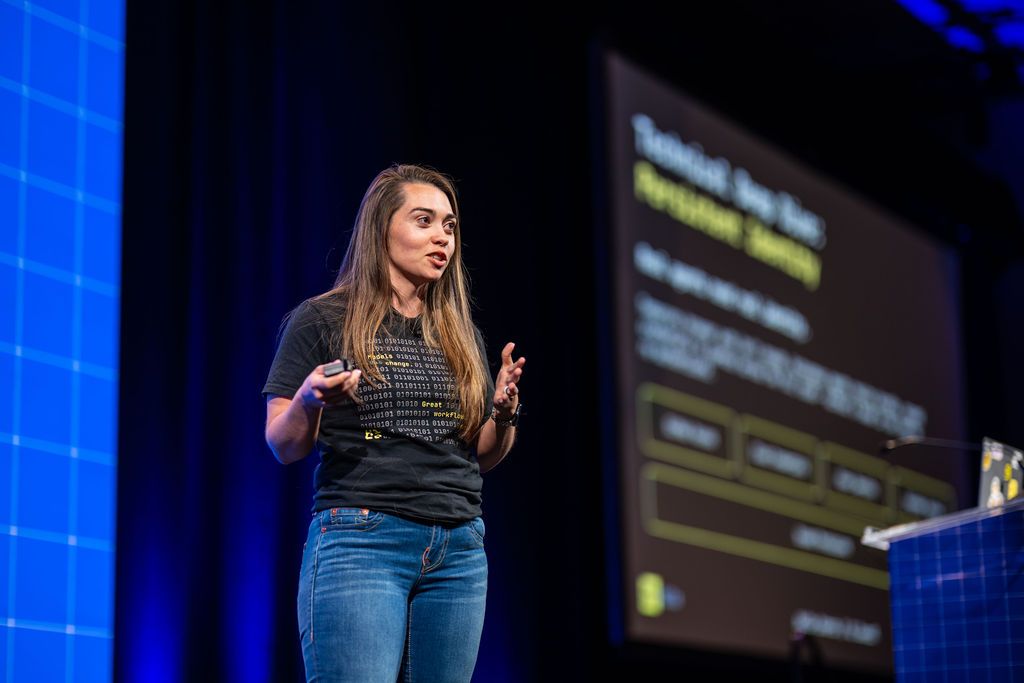
Speaker presenting on stage at AI Council
Speaker Criteria

Share what you actually shipped

  • Technical Depth & Rigor

    We look for talks that go beyond surface-level overviews. Show us your architectural decisions, tradeoffs and reasonings behind your approach.

  • Production Insights

    Theory is easy; shipping is hard. We want to hear what you learned building systems that actually run at scale.

  • Novel Approaches

    If you've solved an infra or tooling problem in a novel or unexpected way, this is the audience that will appreciate it.

  • Earned Credibility

    We look for speakers who have done the work themselves. Show us your hands-on experience, and why you’re the right person to explain this.

Past speakers

The people who have taken this stage

A decade of engineers, architects and researchers who came to show their work in detail, not in slogans.

Alex Mashrabov, Co-founder & CEO, Higgsfield

Co-founder & CEO, Higgsfield

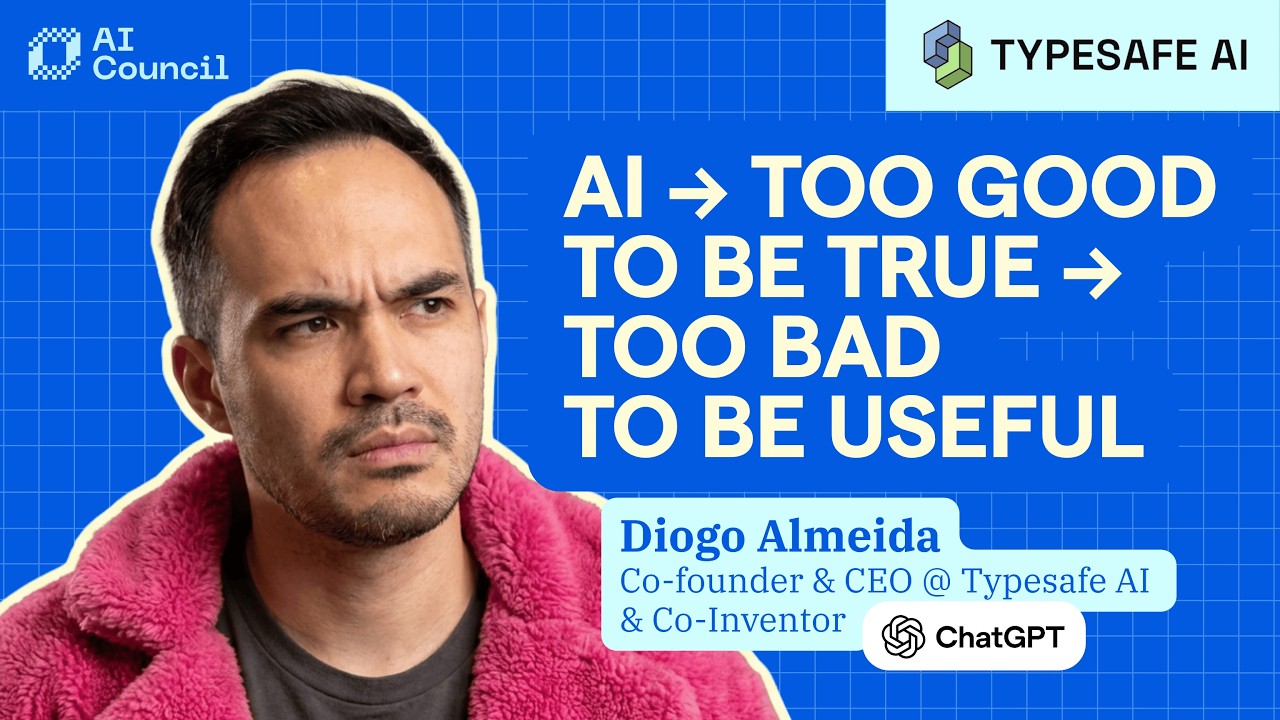
Diogo Almeida, Co-Inventor of ChatGPT & Co-founder, TypeSafe AI

Co-Inventor of ChatGPT & Co-founder, TypeSafe AI

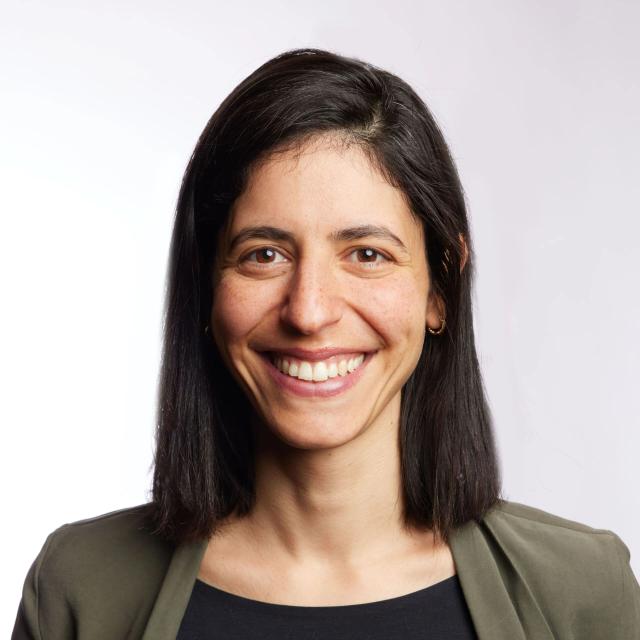
Caitlin Colgrove, Founder & CTO, Hex

Founder & CTO, Hex

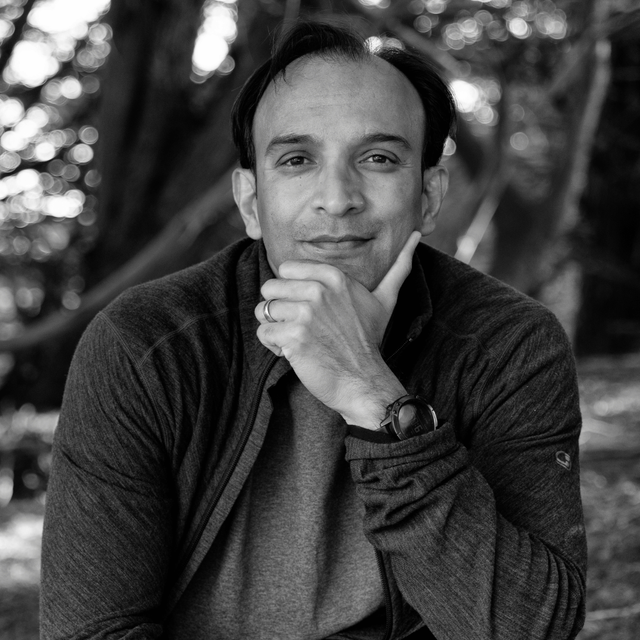
DJ Patil, Former U.S Chief Data Scientist

Former U.S Chief Data Scientist

Barr Moses, CEO & Co-founder, Monte Carlo

CEO & Co-founder, Monte Carlo

Past talks

Watch what came before

Ten years of sessions from the archive. The clearest brief for a proposal is the talks that already worked.

Browse all talks
AI: too good to be true, too bad to be useful

AI: too good to be true, too bad to be useful

Why are some AI applications too good to be true and others total bunk? What is the reason behind the massive gap between over-promise and under-deliver? Let's talk about LLM history, mystery, and optimization to figure out where the f**k is all the automation.
Watch now
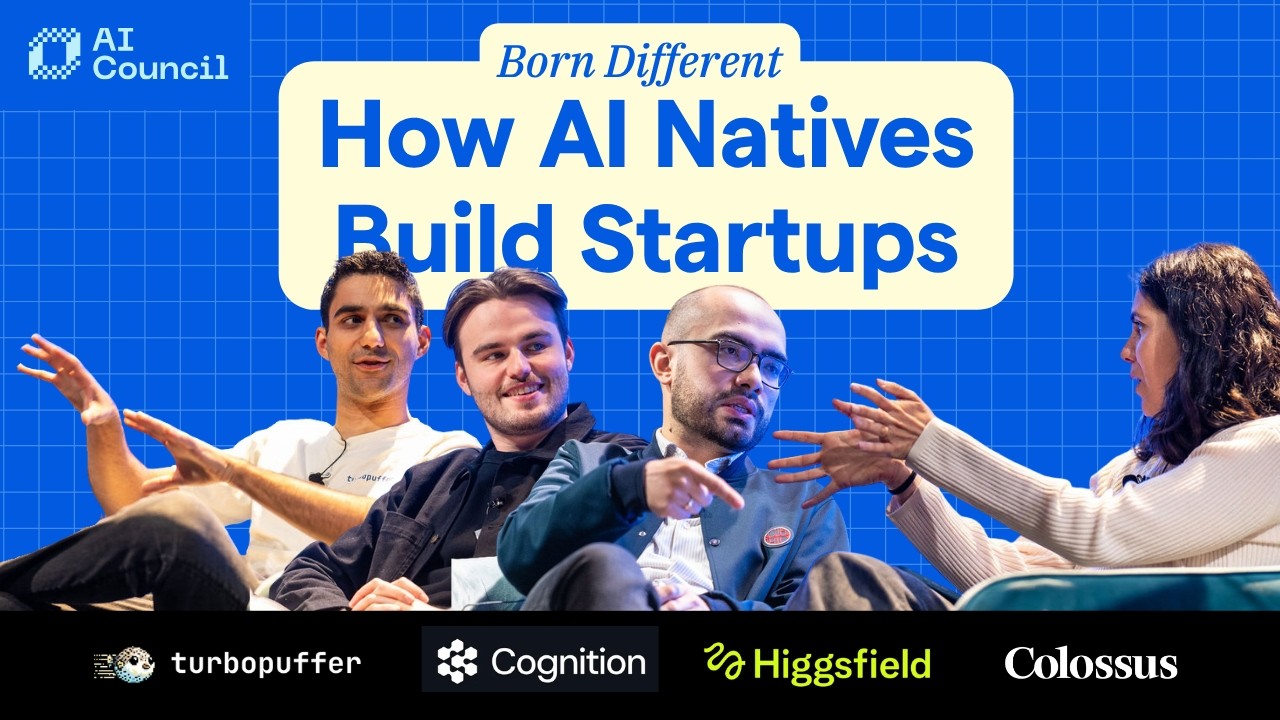
Born Different: How AI Natives Build Startups

Born Different: How AI Natives Build Startups

The playbook for building a startup hasn't changed much in 20 years - until now. Fewer people, different skills, and a completely different sense of what's possible. A new generation of founders is shipping products with smaller teams, moving faster, and using AI across every function. Join a group of AI-native founders for a candid look at how they're actually using AI inside their own companies - in their workflows, their code, their ops - and what the shape of their teams looks like as a result.

Watch now
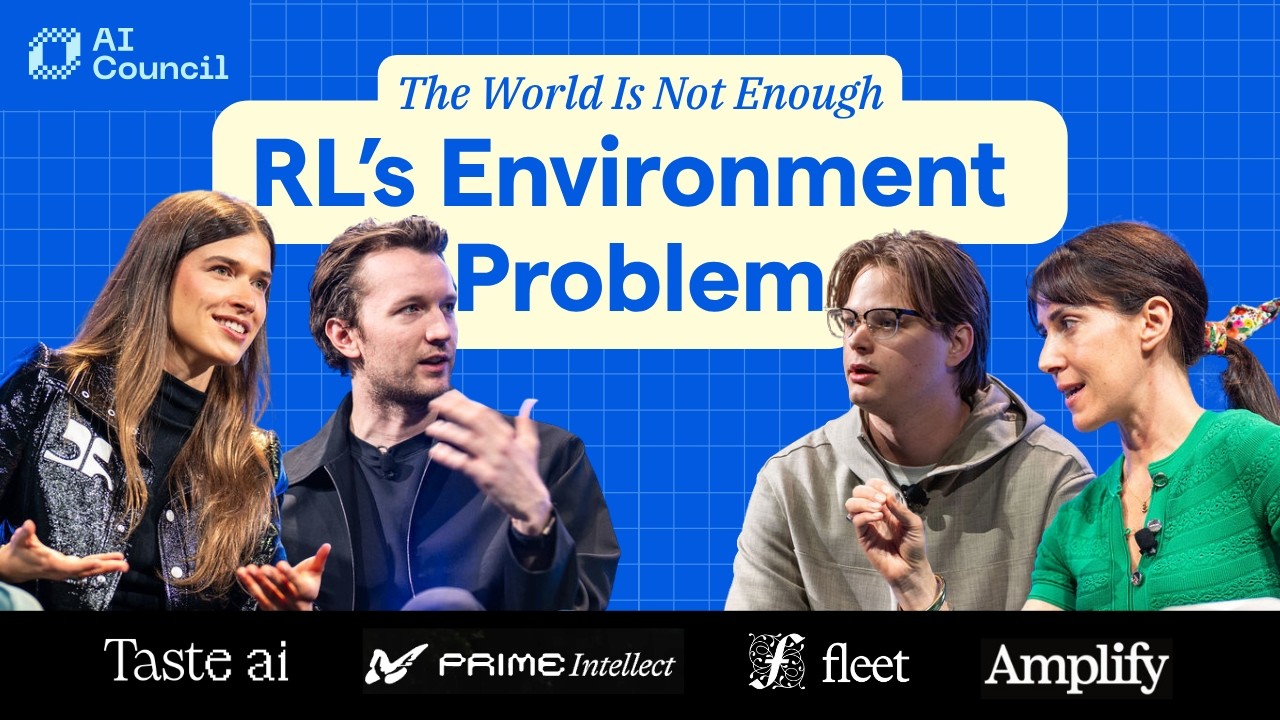
The World Is Not Enough: RL’s Environment Problem

The World Is Not Enough: RL’s Environment Problem

While researchers may still opine about access to compute, most are hitting a new bottleneck: access to high-quality environments in which to post-train agents. Expanding agent capabilities will depend on how we curate and utilize data, much of which exists only in the minds of human experts today. This panel will explore the challenge of building environments, including the need to improve infrastructure reliability, the obstacles posed by subjective domains, and the challenge of achieving high variety. We’ll also discuss future opportunities, such as environments for long-horizon reasoning and continual learning, and what it will take to evolve environment design from a bespoke craft into a more automated, scalable discipline that consistently drives generalization.

Watch now
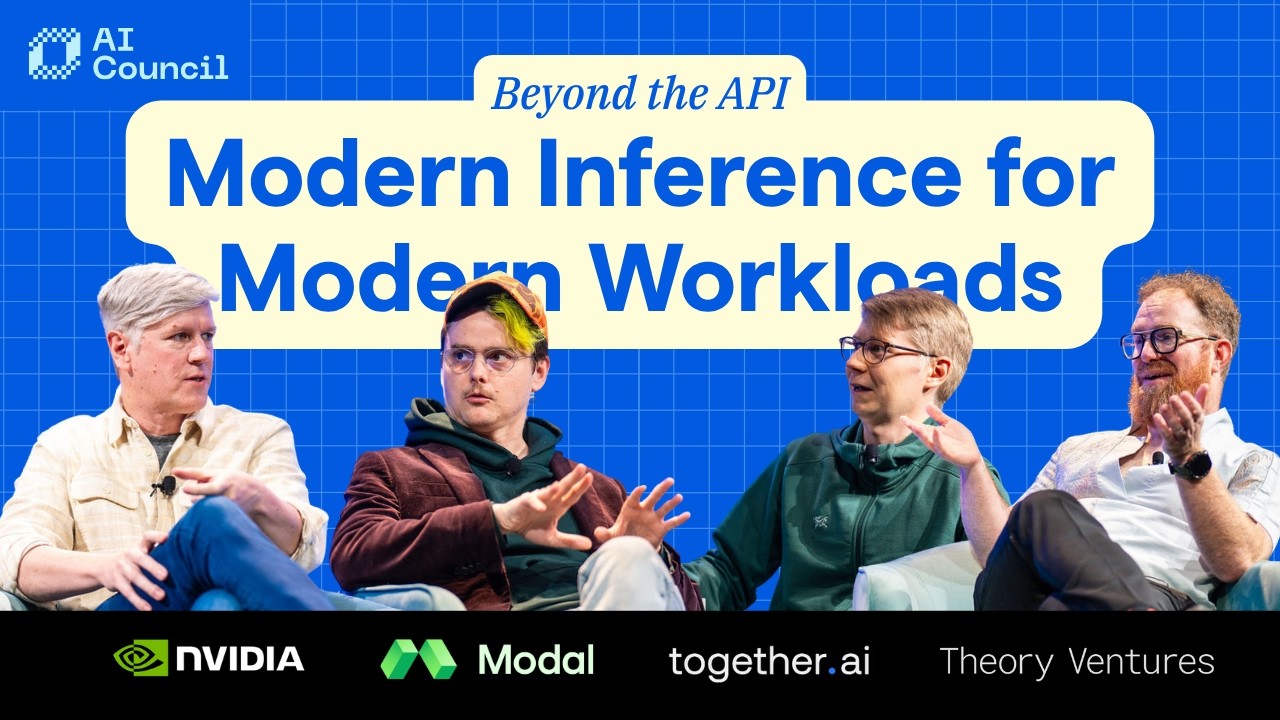
Modern Inference for Modern Workloads

Modern Inference for Modern Workloads

Practitioners from the companies at the frontier of inference and model development sit down to unpack what application developers need to understand right now: why fine-tuning is quietly resurging under the name "RL," how smart teams are compressing inference costs by shaping smaller specialized models, who owns the model routing problem, and why inference capacity is structurally behind demand — possibly for years.

Watch now
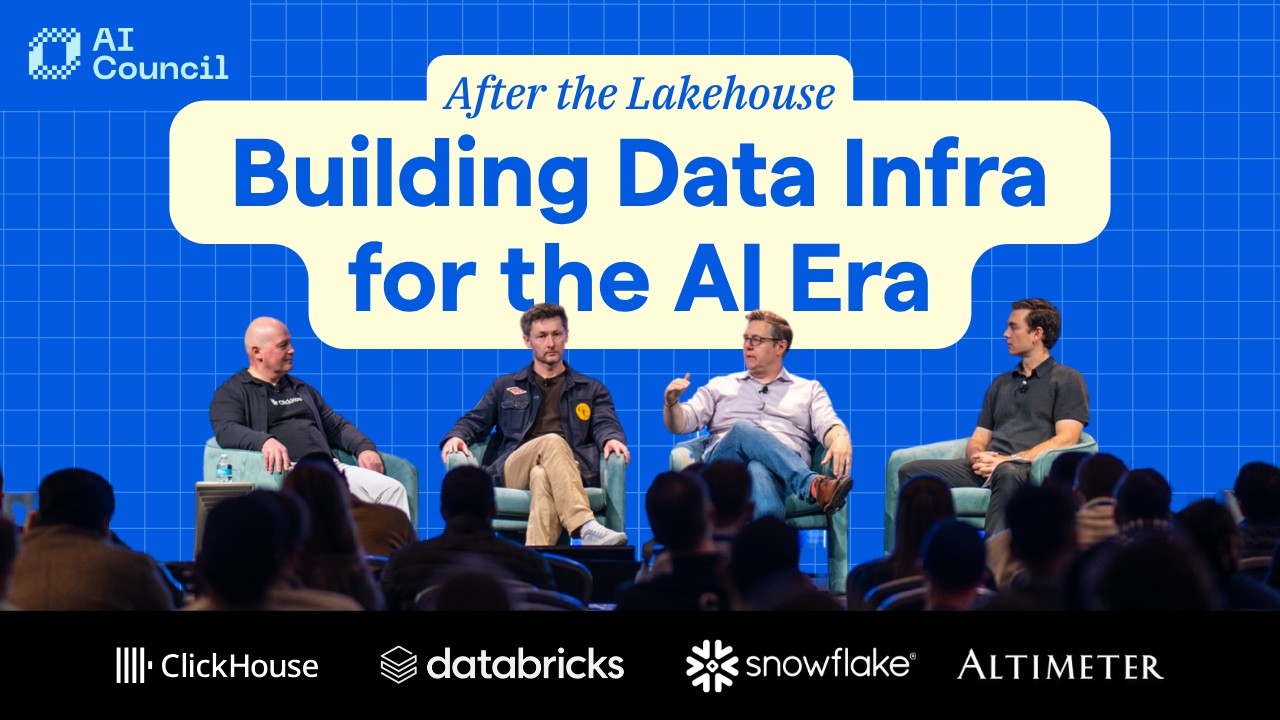
After the Lakehouse: Building Data Infra for the AI Era

After the Lakehouse: Building Data Infra for the AI Era

The lakehouse architecture solved a real problem — but AI has rewritten the requirements. Latency, compute separation, vector workloads, real-time inference pipelines: the demands look nothing like they did five years ago. Three engineers who helped build the modern data stack join us to debate what's actually changing under the hood, what's being thrown out, and what the next five years look like for the teams who have to ship on top of it.

Watch now
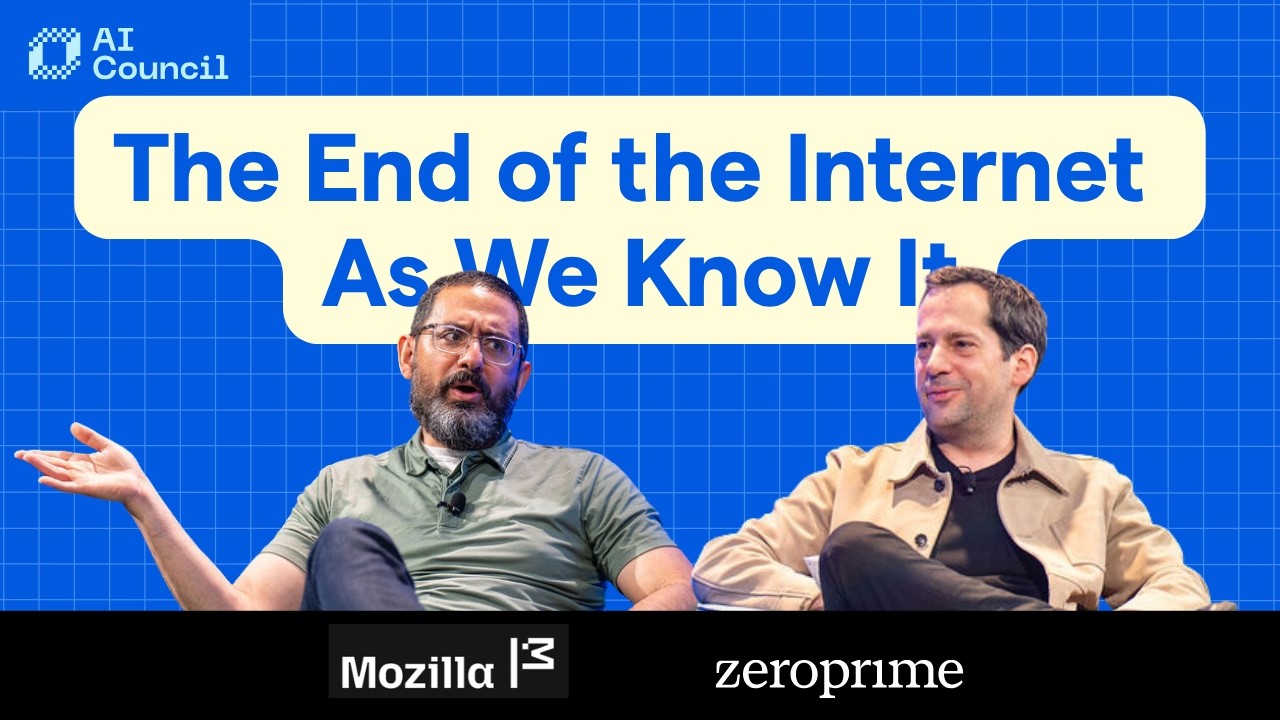
The End of the Internet As We Know It

The End of the Internet As We Know It

In a recent New York Times op-ed, Mozilla CTO Raffi Krikorian warned that the informal detente that kept the internet secure — where writing software and finding vulnerabilities were equally hard — is over. Raffi sits down with Pete Soderling to go deeper: what the Mythos moment means for builders right now, how teams should think about AI as co-author rather than tool, the economics of open source in a world of expensive foundation models, and whether open models can offer a credible alternative to the frontier labs. Read Raffi's NYT essay: https://www.nytimes.com/2026/04/15/opinion/mythos-open-souce-internet.html

Watch now
FAQs

Speaker questions

Can't find your answer here?

Anyone with hands-on technical experience can submit a talk, including engineers, researchers, data scientists, technical founders, and other practitioners who build or operate AI systems. We do not accept submissions from PMs, marketers, salespeople, or other non-technical roles. Talks must be technically substantive and not promotional.

Regular AI Council talks are scheduled for 45 minutes. Speakers should prepare 35–40 minutes of content, leaving time for introductions and transitions. Q&A happens afterward during speaker office hours. Lightning talks and AI Launchpad are 15 minutes.

Yes. Submit each one separately so the curators can consider them on their own merits.

A specific system, a real constraint and an honest account of what happened. Architecture, numbers and the parts that failed beat a product overview every time.

Yes. Every session is video recorded, transcribed and published to our website and YouTube channel, so your talk keeps reaching people after the event.

We will let all applications know the status of your application by mid December 2026.

Apply to speak

Submit your talk

Proposals are read by the track hosts themselves. Tell us what you built and what you learned — the work matters more than having a previous speaking record.

Ready to take this stage?

The next edition is programmed by practitioners. Tell us what you built and what you learned.

Apply to be a speaker